Durham in World War Two: The Night the Bombers Came
The story of Durham in the Second World War, from the famous 'mist miracle' that supposedly saved the cathedral to the county's own regiment, the Durham Light Infantry.
Durham came through the Second World War largely unscathed, but not without a brush with disaster and a legend that still divides opinion. This is the story of the city in wartime, from the night the Luftwaffe came for its railway viaduct to the county regiment that carried Durham's name across the world.
The Baedeker raid of 1942
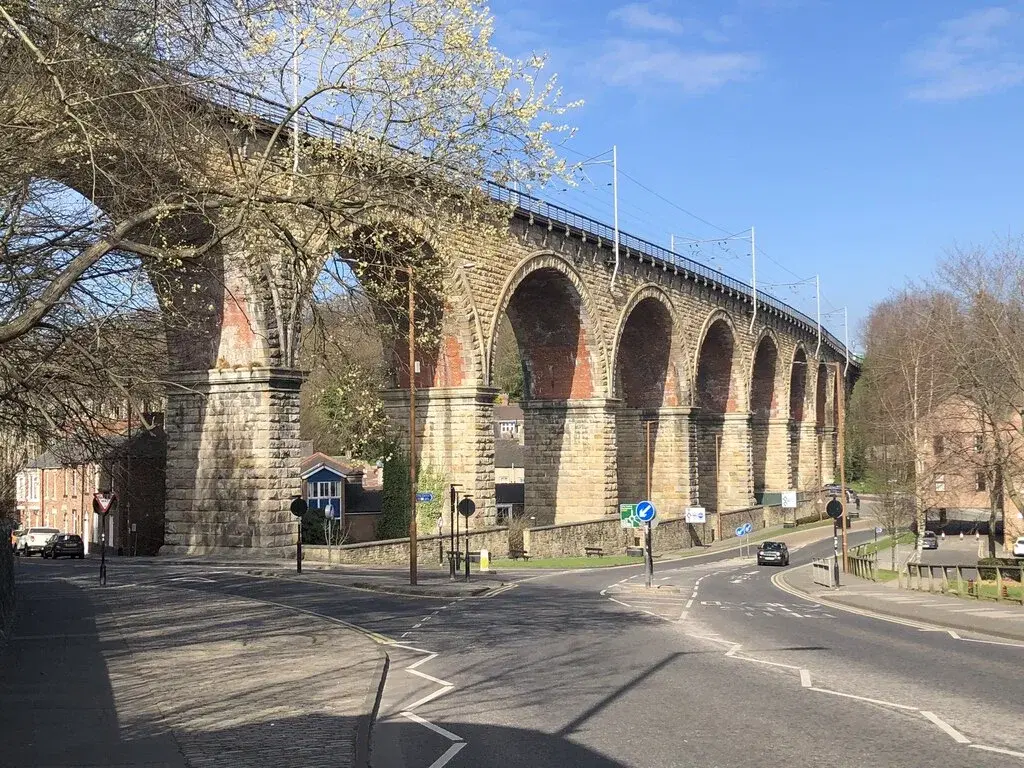
In the spring of 1942 the Luftwaffe launched the "Baedeker raids", named after the tourist guidebooks, deliberately targeting England's historic cathedral cities in reprisal for RAF raids on German towns. Exeter, Bath, York, Norwich and Canterbury were all hit. In the early hours of 1 May 1942, the warning came for Durham. The target is generally understood to have been the great railway viaduct that still strides across the city, carrying the main east-coast lines, though the cathedral and city stood perilously close.
The "mist miracle"
What happened next became one of Durham's most enduring legends. The story goes that a mysterious mist rose over the city that night, hiding the cathedral from the bombers, an intervention credited to St Cuthbert protecting his shrine once more. It is a wonderful tale, and you will still hear it told.
The truth is more down to earth. Durham's own Chief Air Raid Warden, George Greenwell, who was there, later recalled that while there was some mist, the top of the cathedral tower stood clear above it. He dismissed the miracle as "a pretty story for the guidebook", noting that if the Germans had truly meant to bomb Durham, a little weather would not have stopped them. Bombs did fall nearby that night, near Finchale, at Langley Moor and at Belmont, but the city and its cathedral were spared.
Best for: Whatever the truth of the mist, the cathedral and viaduct both survived the war intact.
The Durham Light Infantry
No account of Durham at war is complete without the Durham Light Infantry, the county's own regiment. The DLI raised many battalions during the conflict and served with distinction in campaigns from France and North Africa to Italy and the Far East, at a heavy cost in lives. The regiment is woven deep into the county's identity, and its story is remembered across Durham to this day.
The home front
Like every British city, Durham lived the war on the home front, with rationing, the blackout, evacuees and the constant work of the pits and railways that made the county so strategically important. The coalfield fuelled the war effort, and Durham's miners, the "Bevin Boys" among them, were as vital as any soldier.
Remembering
The city's wartime story is remembered in its memorials, its cathedral and the county's regimental history. For more of Durham's past, see our guides to the lost buildings of Durham and interesting facts about Durham.
Have family memories or records of Durham in wartime? Get in touch.
Never miss what’s on
Join the weekly Durhamcity.live digest — the best events, news and local tips, straight to your inbox. Free, one email a week.
What's On
Marvin Muoneké and Strictly Smokin' Big Band
7:30 PM · Gala Theatre, Millennium Place, Durham, DH1 1WA
Interface Arts at The Story
10:00 AM to 4:00 PM · The Story, Mount Oswald, South Road, Durham, DH1 3TQ
October Half-Term at Beamish Museum
10:00 AM - 4:00 PM · Beamish Museum, Stanley, County Durham, DH9 0RG